Creamy Vegan Mac and Cheese
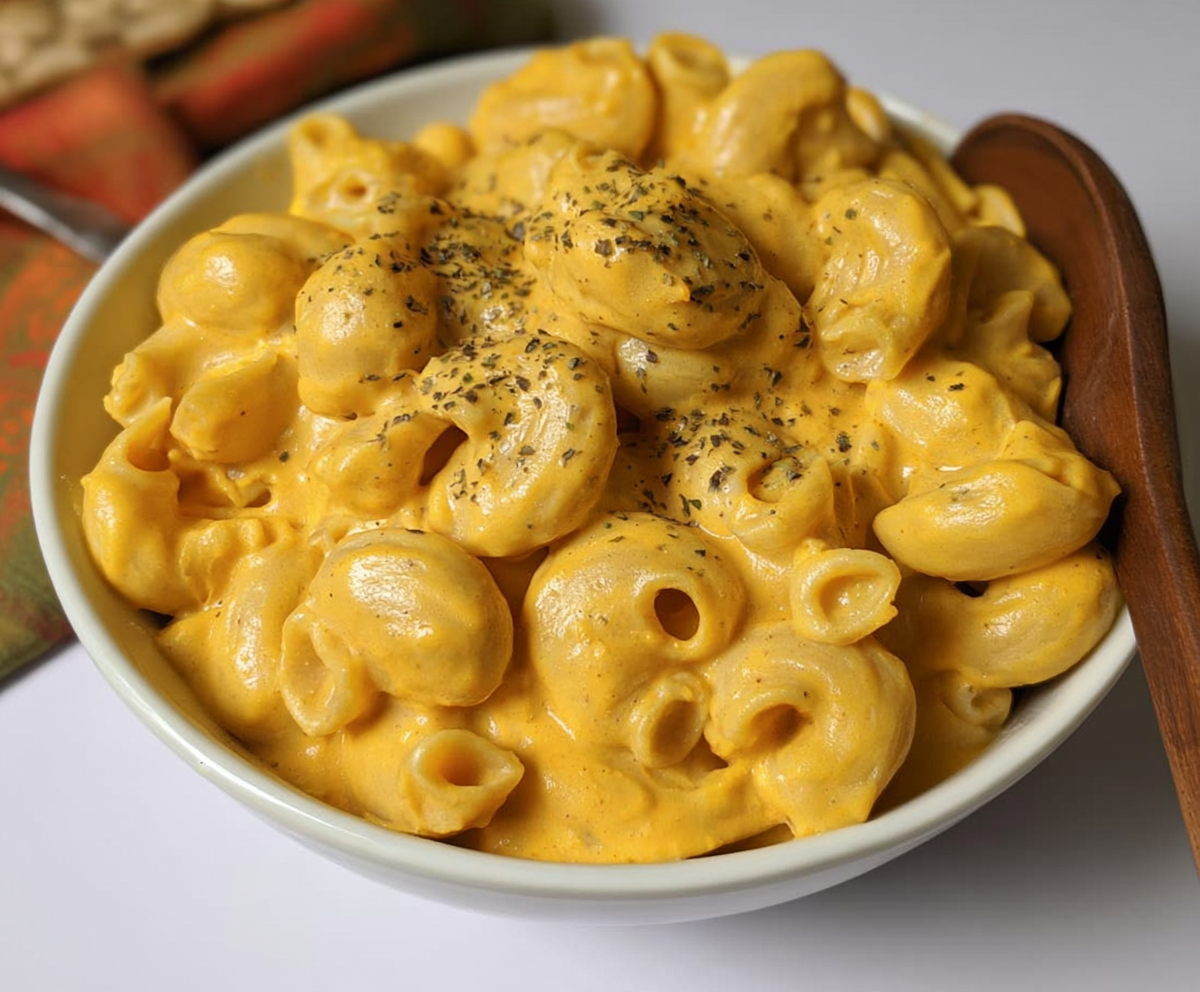
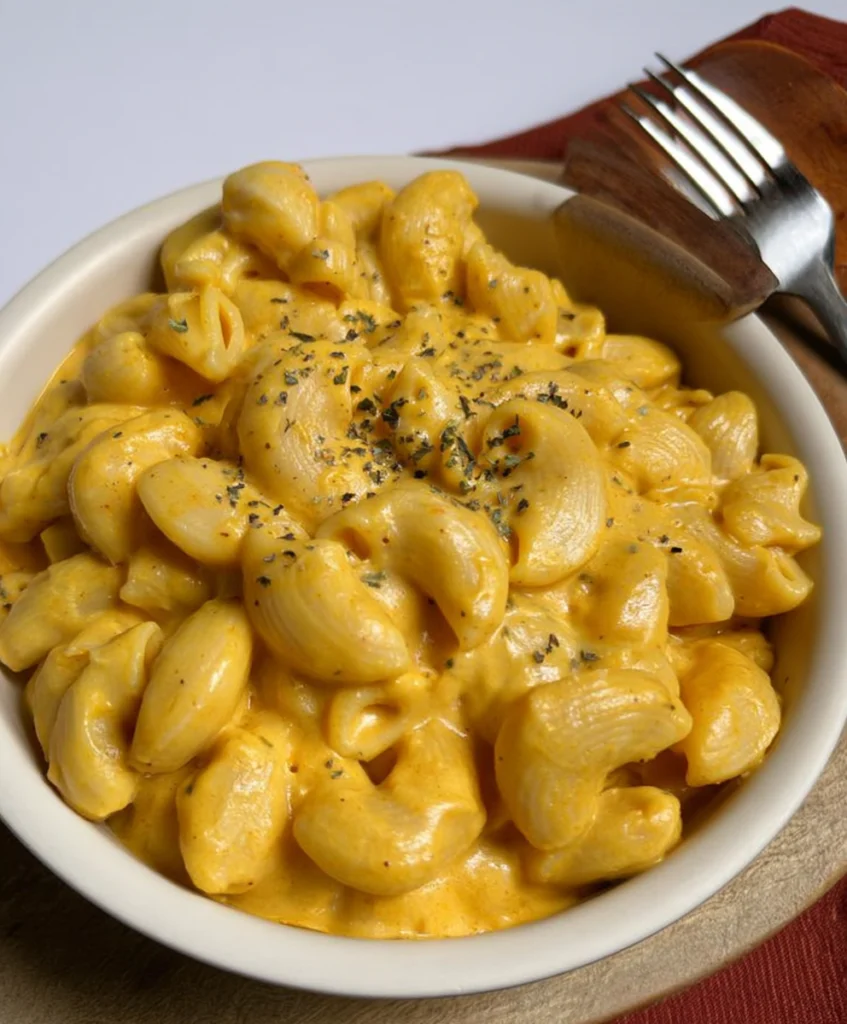
Creamy vegan mac and cheese is pure comfort food, with tender macaroni coated in a smooth, savory cheese sauce made without dairy. This stovetop version keeps the process simple, giving you a creamy sauce without any complicated preparation.
The sauce gets its richness from vegan cheddar, vegan cream cheese, plant-based milk, and vegan Parmesan, while simple seasonings round out the cheesy flavor. I like keeping the roasted garlic optional—it adds a mellow, savory depth when you want something a little different without changing the character of the dish.
The key is gentle heat. Vegan cheese can become oily or grainy when it gets too hot, so you’ll melt it slowly before combining it with the remaining sauce ingredients and macaroni. The finished sauce should be silky and slightly loose when it comes off the stove, since it will continue to thicken as it sits.
Why This Creamy Vegan Mac and Cheese Works
This recipe keeps the focus on a creamy sauce and a simple stovetop method. You don’t need to make a roux or spend extra time baking the pasta unless you want a baked finish.
- Rich without dairy: Vegan cheddar and cream cheese create the creamy base, while vegan Parmesan adds another layer of savory, cheesy flavor.
- Straightforward method: The sauce comes together in one saucepan while the macaroni cooks separately, so there aren’t many moving parts.
- Easy stovetop preparation: The macaroni and sauce come together without a roux or a separate baking step.
- Flexible texture: Serve it straight from the stove for the creamiest consistency, or turn it into baked mac and cheese when you want a firmer top.
Ingredients for a Creamy, Cheesy Sauce
You don’t need a long ingredient list for a rich sauce, but the type of plant milk and vegan cheese you choose can make a noticeable difference. Exact amounts are in the recipe card; these are the ingredients worth knowing a little more about.
Choosing the Right Plant-Based Milk
Use plain, unsweetened plant milk so you don’t introduce sweetness or flavors that compete with the cheese. Unsweetened almond milk works well with this recipe because its flavor stays fairly neutral. Avoid vanilla-flavored milk, even if it’s unsweetened.
Choosing Vegan Cheese That Melts Well
Choose a vegan cheddar made for melting. A block that you shred or finely chop yourself is a good option because the small pieces melt more evenly into the sauce.
Vegan cream cheese provides additional richness and helps give the sauce a creamy body, while vegan Parmesan adds a sharper savory note. Together, they create a more rounded cheese flavor than relying on vegan cheddar alone.
How to Make Creamy Vegan Mac and Cheese
Cook the Macaroni
- Bring a large pot of salted water to a boil and cook the macaroni according to the package directions until al dente. The pasta should be tender but still have a little firmness when you bite into it.
- Before draining, reserve about 1 cup of the pasta cooking water; you’ll only add as much as needed to loosen the sauce. Drain the macaroni well, but don’t rinse it.
Build the Vegan Cheese Sauce
- While the pasta cooks, melt the vegan butter in a large saucepan over low heat.
- Add the finely chopped or shredded vegan cheddar a little at a time, stirring as it melts. Once the cheddar is mostly smooth, add the vegan cream cheese and stir until incorporated.
- Pour in the unsweetened almond milk, then stir in the vegan Parmesan, garlic powder, onion powder, and black pepper. If you’re using the optional smoked paprika, add it now.
Melt the Cheese Over Low Heat
- Keep the heat low as you stir the sauce. Avoid bringing it to a boil; excessive heat can make some vegan cheeses turn oily or grainy. You’re looking for a smooth sauce with no large pieces of unmelted cheese remaining.
Combine the Pasta and Adjust the Consistency
- Add the drained macaroni to the sauce and stir until every piece is evenly coated. Cook over low heat for about 1 to 2 minutes, just long enough to bring everything together.
- If the sauce is thicker than you want, stir in a small splash of the reserved pasta water at a time. Take the pan off the heat while the mac and cheese still looks slightly looser than your ideal consistency—it will thicken as it sits.
For the optional roasted garlic version, mash the cloves from one small head of previously roasted garlic into a paste and stir them in with the vegan cream cheese. Use garlic that has already been roasted and cooled; roasting time is not included in the recipe time.
Stovetop vs. Baked Mac and Cheese
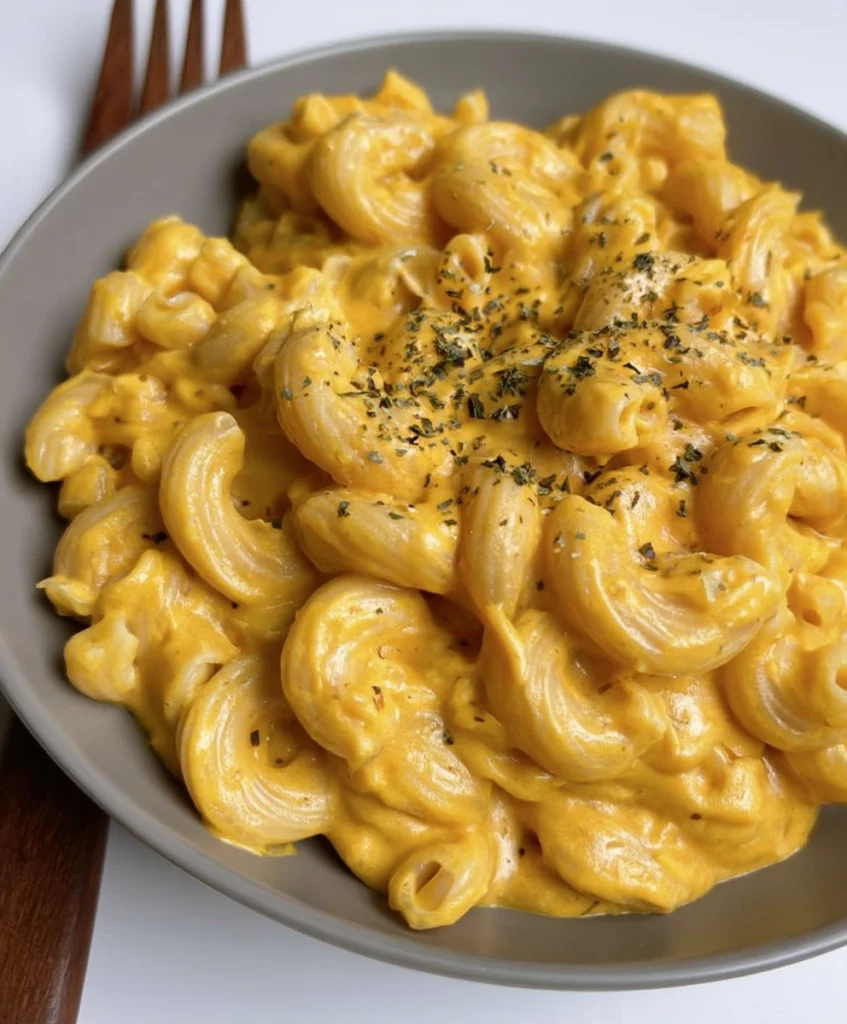
For the creamiest result, serve this mac and cheese straight from the stove. The sauce stays soft and silky, and you can easily adjust the consistency just before serving.
If you prefer baked vegan mac and cheese, keep the sauce a little looser than usual before transferring the pasta to a baking dish. Baking causes the macaroni to absorb more moisture, so starting with enough sauce helps prevent a dry result.
For a simple baked finish, transfer the prepared mac and cheese to a lightly greased baking dish and add an optional topping of breadcrumbs mixed with a little melted vegan butter. Bake at 375°F for about 15 to 20 minutes, just until the sauce is bubbling around the edges and the topping is lightly browned. Avoid baking much longer—the goal is to add a crisp top without cooking away the creamy sauce underneath.
If you choose to bake the mac and cheese, allow an extra 15 to 20 minutes in addition to the stovetop cooking time.
Tips for a Smooth, Creamy Sauce
- Keep the cheese pieces evenly sized. Uneven chunks can leave some pieces unmelted while the rest of the sauce is already hot.
- Use room-temperature cream cheese if possible. It blends into the warm sauce more easily than a firm block straight from the refrigerator.
- Watch the consistency as the pasta sits. Macaroni continues absorbing moisture after it is coated, so serve the dish fairly soon for the creamiest texture.
- Don’t keep it warm for too long. Extended time on the stove can continue thickening the sauce even at a low temperature. If you’re not serving immediately, remove the pan from the heat and cover it.
Easy Variations
Once you have the basic mac and cheese made, you can change the flavor or make it more substantial without altering the sauce itself.
Make It Spicy
Stir in a small amount of cayenne pepper, crushed red pepper flakes, or your favorite hot sauce. Start with a little and taste before adding more so the heat doesn’t overpower the cheesy flavor.
Add Vegetables
Broccoli, peas, spinach, and sautéed mushrooms are all good additions to the creamy sauce. Cook broccoli or mushrooms before folding them into the finished mac and cheese. Spinach can go straight into the hot pasta, where the heat will wilt it into the sauce.
Add Plant-Based Protein
For a more filling meal, add cooked vegan sausage, tempeh, or seasoned plant-based crumbles. Cook the protein separately before stirring it into the finished pasta so excess moisture or oil doesn’t interfere with the sauce.
Make It Gluten-Free
Swap the regular macaroni for your preferred gluten-free pasta and check that the vegan cheeses and other packaged ingredients are certified gluten-free if necessary. Gluten-free pasta can soften quickly, so follow its package timing closely and drain it as soon as it reaches al dente.
Storage, Reheating, and Freezing
Refrigerating Leftovers
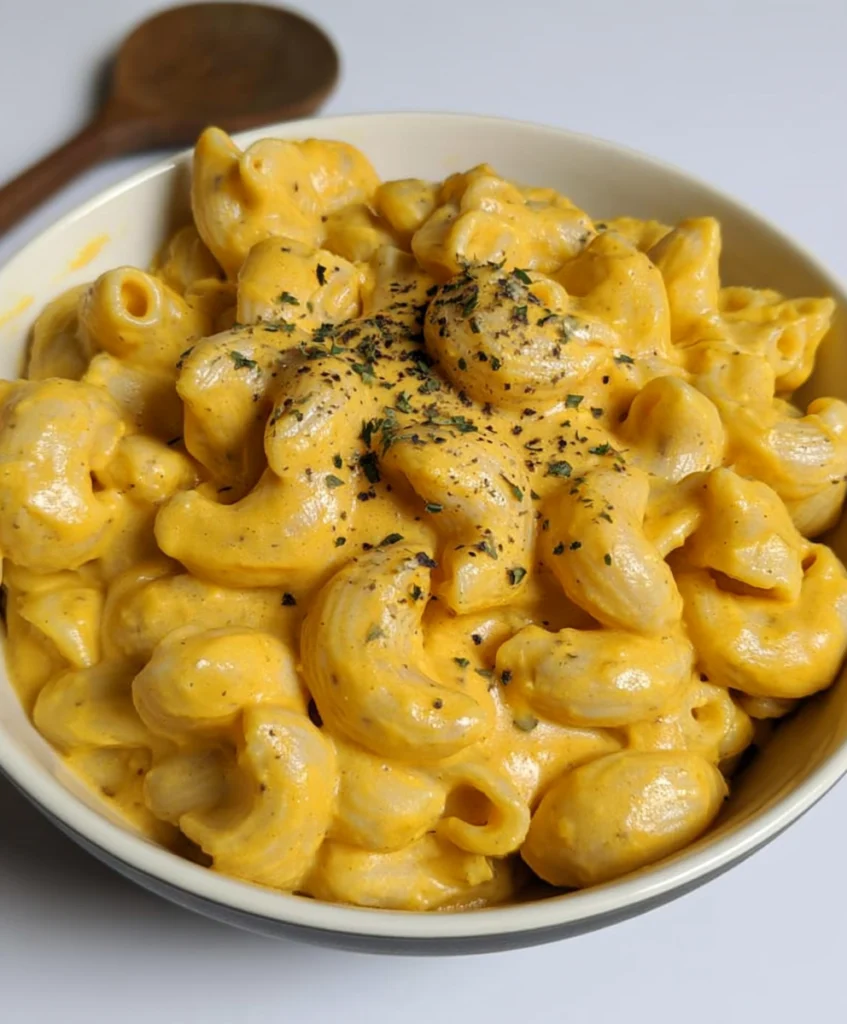
Let leftover mac and cheese cool, then transfer it to an airtight container and refrigerate it for up to 4 days. The sauce will become considerably thicker as it chills because the pasta continues to absorb moisture.
How to Reheat It Without Drying Out
For the creamiest result, reheat leftovers gently on the stovetop over low heat. Add a splash of unsweetened plant milk and stir occasionally until the sauce loosens and the pasta is heated through.
For a single serving, you can also use the microwave. Add a small splash of plant milk, cover loosely, and heat in short intervals, stirring between each one. Add a little more milk if needed rather than overheating the pasta to loosen the sauce.
Can You Freeze Vegan Mac and Cheese?
You can freeze the finished mac and cheese, although the sauce and pasta may be slightly less smooth after thawing. Store it in an airtight freezer-safe container and freeze for up to 2 months.
Thaw it overnight in the refrigerator before reheating. Warm it gently with a splash of plant milk to help loosen the sauce. If you’re preparing the dish specifically for the freezer, freezing the cheese sauce separately from freshly cooked pasta generally gives you better control over the pasta’s texture when serving.
Frequently Asked Questions
Why Is My Vegan Mac and Cheese Grainy?
A grainy sauce is often caused by too much heat or by vegan cheese that doesn’t melt smoothly. If the sauce starts looking oily or uneven, take the pan off the heat and stir gently rather than continuing to cook it. A badly separated sauce may not become completely smooth again.
Can I Use Pre-Shredded Vegan Cheese?
Yes, as long as you choose a variety designed to melt. Different brands behave differently, and some pre-shredded vegan cheeses take longer to soften or produce a less uniform sauce. Add it gradually and give each addition time to melt.
More Vegan Pasta Recipes
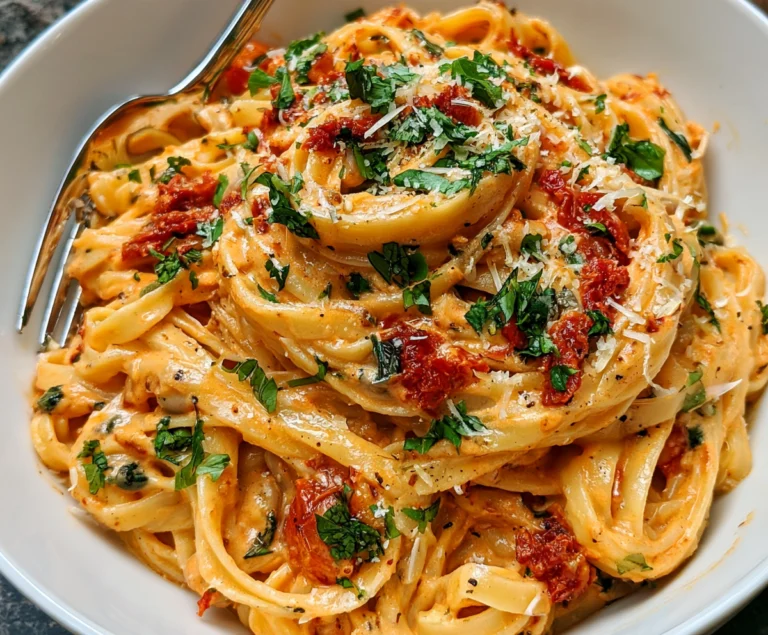
Looking for another easy, creamy pasta dinner? Try my Creamy Sun-Dried Tomato Vegan Pasta, made with sun-dried tomatoes, garlic, basil, and a rich dairy-free sauce.
Creamy vegan mac and cheese
Ingredients
Equipment
Method
- Bring a large pot of salted water to a boil. Add the macaroni and cook according to the package directions until al dente. Before draining, reserve about 1 cup of pasta cooking water; you'll only add as much as needed to loosen the sauce. Drain the macaroni without rinsing.
- While the pasta cooks, melt the vegan butter in a large saucepan over low heat.
- Add the vegan cheddar a little at a time, stirring gently and allowing each addition to soften and melt before adding more.
- Add the vegan cream cheese and stir over low heat until incorporated. If using the optional previously roasted garlic, stir in the mashed cloves at this point.
- Pour in the unsweetened almond milk. Add the vegan Parmesan, garlic powder, onion powder, black pepper, and optional smoked paprika. Stir gently until the sauce is smooth and creamy. Keep the heat low and do not allow the sauce to boil.
- Add the drained macaroni to the cheese sauce. Stir until the pasta is thoroughly coated, then cook over low heat for 1 to 2 minutes.
- If the sauce is too thick, add reserved pasta water a small splash at a time until it reaches your preferred consistency. Remove the pan from the heat while the sauce is still slightly loose, since it will thicken as it sits.
- Serve warm.
Notes
- Plant milk: Use plain, unsweetened plant milk. Avoid sweetened or vanilla-flavored varieties.
- Vegan cheese: Melting performance varies by brand. A vegan cheddar designed for melting works best.
- Heat: Keep the sauce over low heat. Excessive heat can cause some vegan cheeses to become oily or grainy.
- Consistency: The pasta absorbs sauce as it sits, so don’t worry if the finished sauce initially looks a little looser than you want.
- Roasted garlic: Use garlic that has already been roasted and cooled. Roasting time is not included in the listed prep, cook, or total time.
- Gluten-free: Use gluten-free macaroni and verify that your packaged ingredients are certified gluten-free when necessary.
- Storage: Refrigerate leftovers in an airtight container for up to 4 days.
- Reheating: Reheat gently with a splash of unsweetened plant milk to restore the creamy consistency.
- Freezing: Freeze in an airtight freezer-safe container for up to 2 months. Thaw overnight in the refrigerator before reheating.